

우리 서비스가 필요한 이유는 프로젝트가 제대로 수행되고 기능하는지 확인할 수 있는 전문 지식과 경험을 갖춘 고도로 자격을 갖춘 전문가를 확보하고 있다는 것입니다.
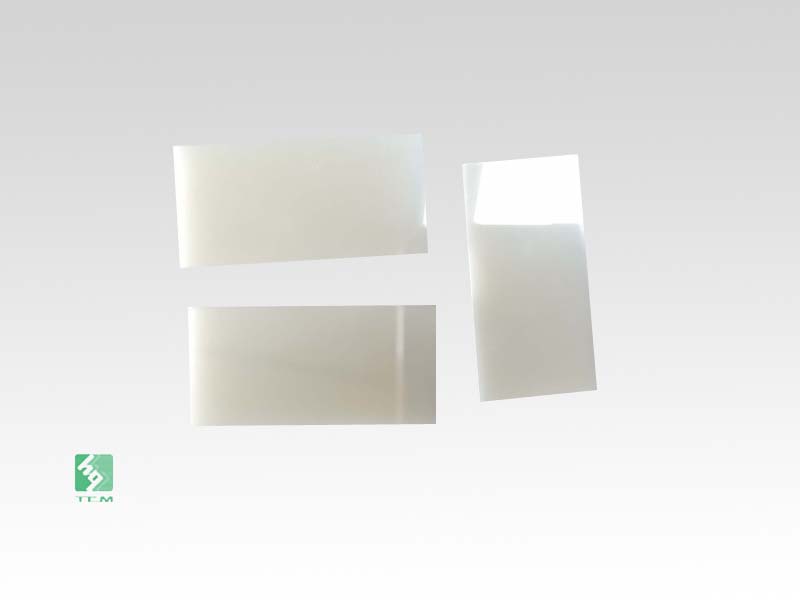
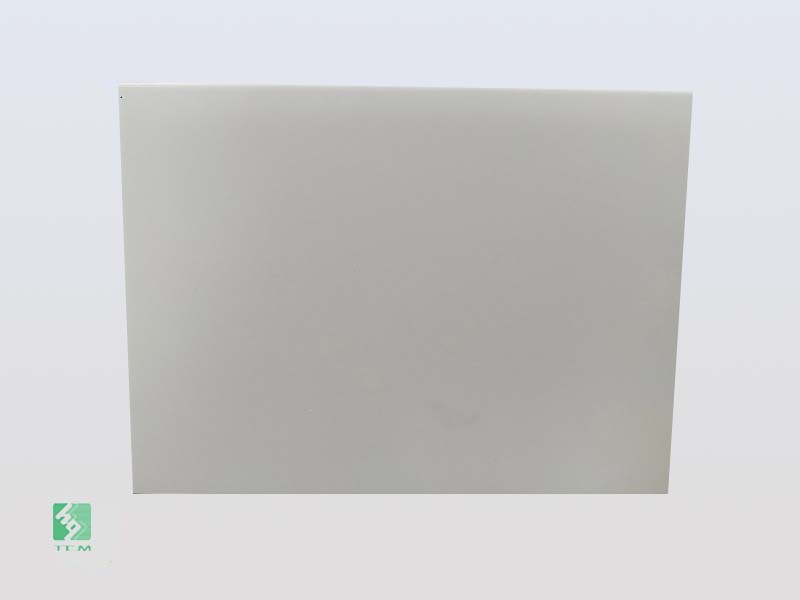
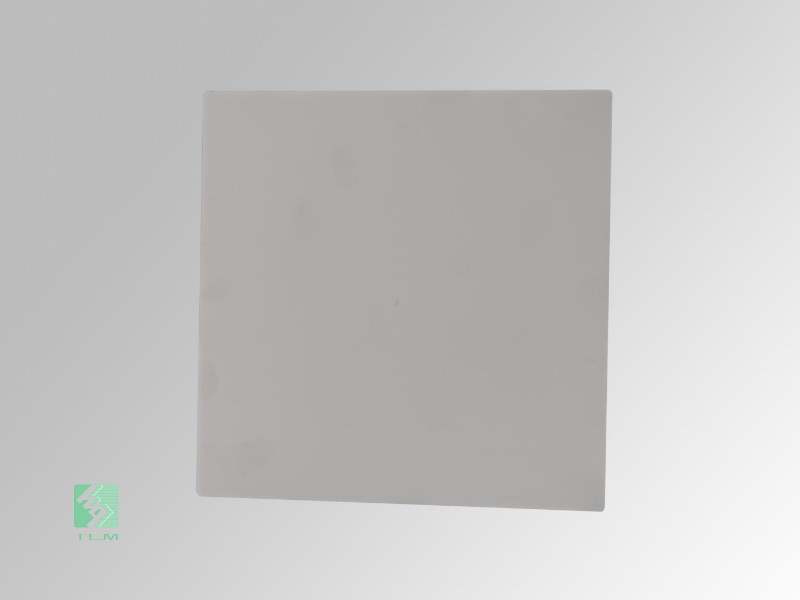
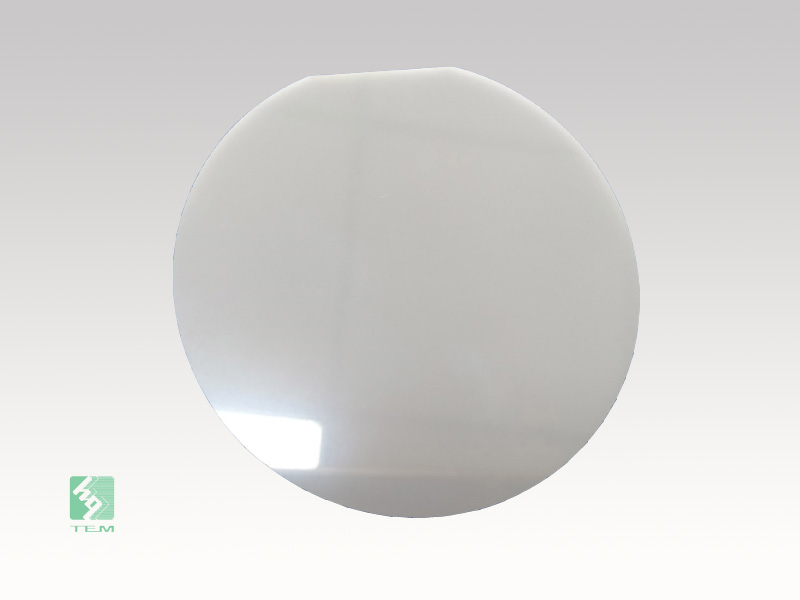
As the AI computing boom continues to dominate headlines, much of the market's attention has been fixated on optical modules and optical chips. But beneath the surface, a high-growth, data-verified track has been quietly taking shape: optical module ceramic structural components.
In early July, site visit data from Cailian Press' industry chain research — cross-validated by multiple industry intelligence agencies — confirmed the following:
This makes it one of the fastest-growing materials segments upstream of AI computing. The industry's trajectory of both volume and price growth is now firmly established.
Driven by raw material constraints and long capacity expansion cycles, Japanese high-end ceramic suppliers are steadily reducing output. The supply-demand gap is widening, making supply chain localization an inevitable trend. Fujian Huaqing, a vertically integrated leader based in Fujian province, has built a complete value chain spanning powder, substrates, copper-clad substrates, and structural components — precisely positioning itself to capture the 1.6T/3.2T optical module and CPO (co-packaged optics) iteration opportunity.
The total optical module ceramic components market will reach RMB 13.5 billion in 2026. Beyond the RMB 9.9 billion ceramic substrate segment, supporting components such as ceramic packages and TEC (thermoelectric cooler) ceramics account for an additional RMB 3.6 billion.
By 2027, the industry is expected to surge to RMB 20–22 billion, with growth approaching 60% — a rare high-certainty growth track in the computing power ecosystem.
The core driver behind this breakout is the per-unit value leap driven by high-speed optical module iteration. Industry-wide technology progression follows a clear pattern:
Unlike ordinary materials, aluminum nitride ceramic is an essential, non-substitutable material for high-speed optical modules. Its ultra-high thermal conductivity (170–230 W/m·K) addresses the overheating challenges of 1.6T and 3.2T optical chips, ensuring long-term stable operation. Its extremely low dielectric loss meets the demands of high-frequency, high-speed signal transmission, and it is also the standard substrate for next-generation CPO co-packaged optics.
Behind the industry's high growth lies a long-term structural supply-demand gap. Global high-end AlN powder and substrates have long been dominated by Japanese companies, which hold over 70% of the high-end market share.
Two major developments in 2026 have fundamentally upended this landscape:
The result: significantly extended delivery lead times and steady price increases for high-end substrates, making the supply shortage difficult to reverse in the near term.
Additionally, stringent industry barriers further raise the entry threshold. The optical module ceramic industry faces four hard-core barriers:
Behind these multiple barriers, only a handful of domestic companies can mass-supply 1.6T high-end substrates, resulting in a pronounced market concentration in which leading players continue to benefit. Downstream optical module manufacturers, seeking to mitigate overseas supply chain risks, have initiated localization qualification processes and are continuously replacing imported products. Import substitution has shifted from "optional" to "essential," ushering in a golden development period for domestic leaders.
Under the dual dividends of import substitution and industry expansion, Fujian Huaqing is one of the few domestic enterprises with a fully integrated value chain spanning:
AlN powder → ceramic substrates → AMB (Active Metal Brazed) copper-clad laminates → precision ceramic structural components
Its core competitive advantage lies in upstream powder self-sufficiency. The vast majority of industry players rely on imported powder, leaving their costs and delivery subject to overseas constraints. Fujian Huaqing has an annual production capacity of 600 tons of AlN powder, with all powder produced in-house fully supporting its production lines. This provides the company with a cost advantage of over 30% and eliminates dependence on overseas supply chains, enabling stable order fulfillment during industry shortages and rapid customer share acquisition.
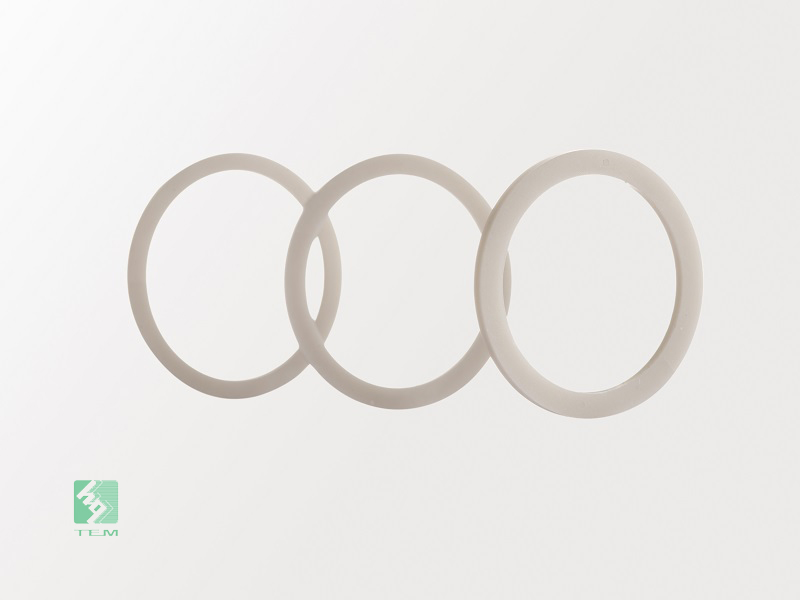
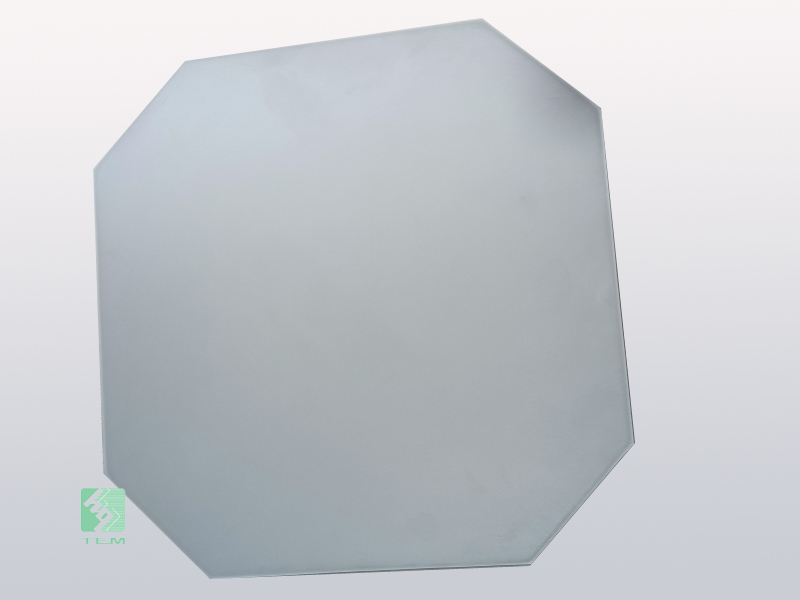
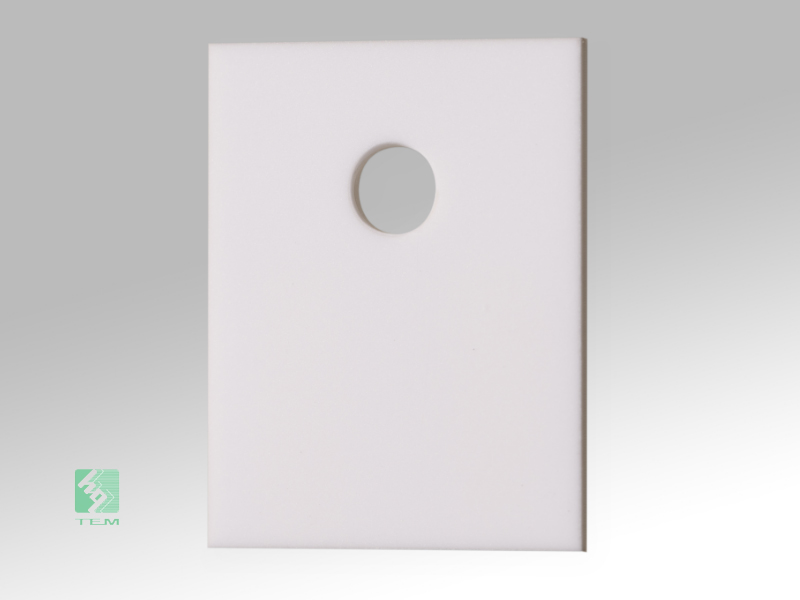
Capacity deployment precisely aligns with the industry's growth inflection point: Huaqing Semiconductor Industrial Park's capacity has been fully released, meeting existing demand for 800G and 1.6T optical modules. The company covers the full range of optical module ceramic structural components, capable of capturing the entire RMB 13.5 billion market demand — far surpassing competitors' single-product offerings.
Fujian Huaqing has already passed qualification with multiple leading domestic optical module manufacturers, achieving volume supply and securing long-term growth in the computing power industry. Multiple industry institutions estimate that the RMB 10-billion-plus incremental market space provides substantial medium-to-long-term growth potential for a full-industry-chain enterprise like Fujian Huaqing.
1. Continuous optical module iteration — volume and price growth logic is solid.
From 800G to 3.2T, optical module iteration continues to raise per-unit ceramic value. Combined with doubling shipment growth of high-speed optical modules in 2026–2027, the industry's leapfrog growth is highly certain.
2. CPO opens a second growth curve.
As a next-generation core computing technology, CPO architecture significantly increases ceramic material consumption. 2027 will mark the beginning of commercial deployment, providing long-term incremental space for the industry. Fujian Huaqing has proactively developed adapted products to seize first-mover advantage.
3. Vast import substitution headroom.
Current domestic high-end substrate localization rates remain low. With Japanese capacity continuously constrained, domestic leaders are positioned to steadily capture 5%–10% of overseas market share annually, corresponding to billions in additional import substitution gains.
From RMB 13.5 billion in existing market to RMB 22 billion in incremental growth — this hidden optical module ceramic computing power track has now had its prosperity confirmed by authoritative data. While the market remains overly focused on complete optical modules, upstream core ceramic materials are undergoing a significant value revaluation.
Fujian Huaqing, with its full-industry-chain self-sufficiency, precise capacity deployment, and leading customer relationships, has emerged as one of the few domestic leaders capable of fully capturing the dual gains of industry expansion and import substitution — highlighting its long-term growth value.
우리 서비스가 필요한 이유는 프로젝트가 제대로 수행되고 기능하는지 확인할 수 있는 전문 지식과 경험을 갖춘 고도로 자격을 갖춘 전문가를 확보하고 있다는 것입니다.
무료 상담을 원하시면 양식을 작성하여 bg를 시작하십시오.:
받은 편지함에서 판매 정보, 뉴스 및 업데이트를 수신합니다.
闽ICP备19012761号-1